We love Friendly Local Game Stores (FLGS)! We look at the bad, the good, and the best.
“What is a BAD mtg local game store?”
“But the store has a terrible stock of singles, and what they do have is generally overpriced. The play area is often cramped when … 12 people there. The bathroom is dirty. The food available is not even up to par with the counter at 7-Eleven.” – J. Americ Pasco
We came across that comment while researching this post. Seemed like the perfect little introduction.
Yes, it’s anecdotal. But its also real. And it illustrates that there are many things a FLGS needs to get right in order to be a true Magic: The Gathering community hub.
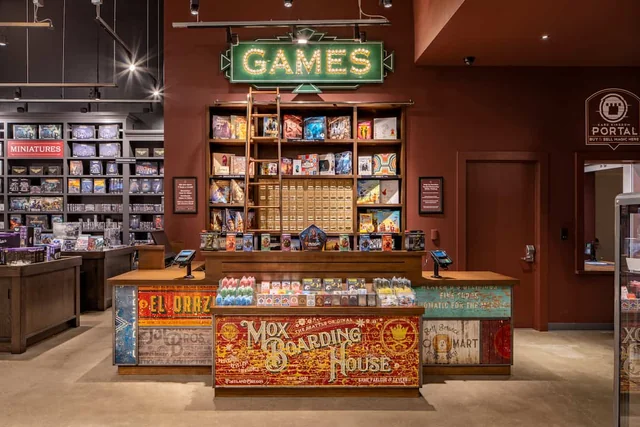
image is not property of MatchPunk (source)
This post outlines the five things that all amazing local mtg stores have in common.
Two comments before we begin:
1) While all good local mtg stores will have these 5 elements, they will not have every aspect of all five elements. And that is ok. Every store is one its own journey. Good local mtg stores aren’t perfect, but they are looking for ways to get better.
2) For a lot of Magic and Commander players, good local mtg stores only need three things: 1) tables, 2) single cards, 3) other magic players. They don’t care about anything else… they just want to play Magic. On the one hand, we applaud their contentment with the basics. On the other hand, this is usually a very particular type of Magic player, and does not always reflect the majority of the players in the hobby.
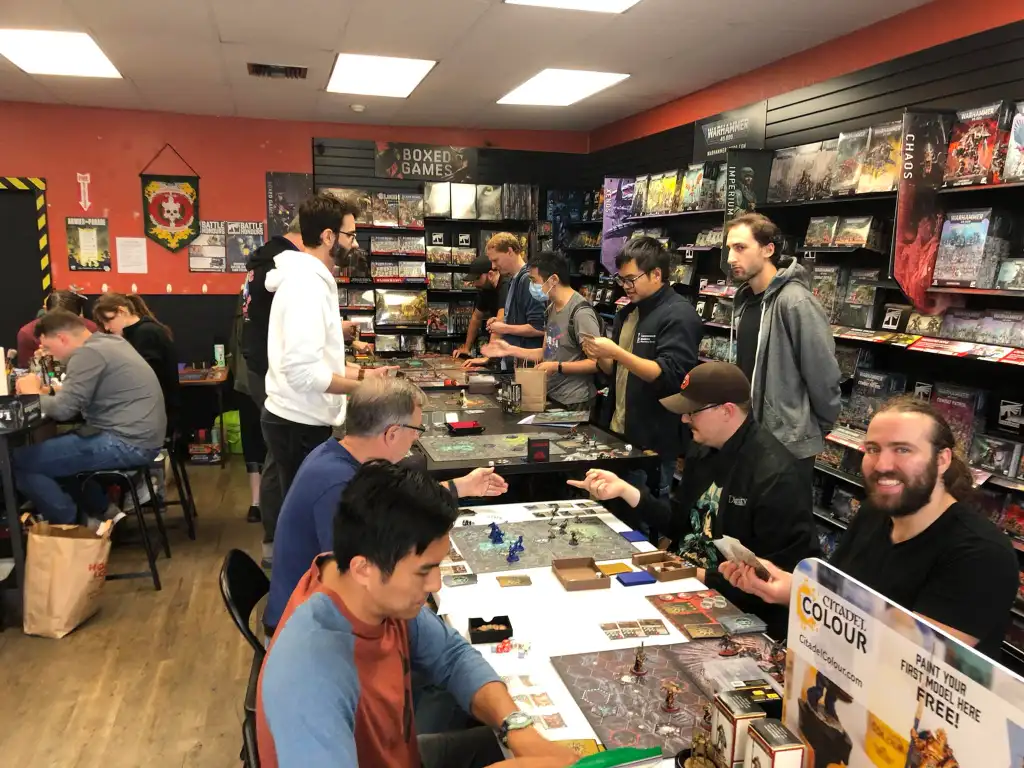
image is not the property of MatchPunk (source)
The 5 Essential Elements of Amazing Local MTG Stores
1) Local MTG Stores Have the Right PRODUCTS
Large Stocks of Singles
I wasn’t sure whether to put this at the top, but I think it is the #1 thing that separates a standard FLGS from a mtg-focused local game store. Because at a MTG and Commander store… this is ESSENTIAL. Deck building is like half the hobby. Which means there simply MUST be a large, diverse selection of single cards people can choose to improve their decks. When talking to Magic players, it is the number one thing that excites them when they walk into a new local game store. in
Competitive Pricing
However, having a robust inventory of single cards is only exciting if the prices are reasonable. Everyone is ok with them being a little more expensive; the store has to profit and players get the added benefit of immediate gratification. But as soon as the prices start to be more than 10% than prices online… things start to get uncomfortable.
Bad local mtg store are going to intentionally price gouge their players, increasing the prices of key cards during competitive tournaments or in limited-printing products. Good local mtg stores do the opposite. They’ll not only compete with other local stores on pricing, but … if you’re lucky… will look up the actual market price of a card! Such transparency is guaranteed to reflect in customer loyalty. Decent prices is common decency.
Well-Organized
This applies to the whole store and everything on the shelves, but its importance is obvious when it comes to their collection of singles. Imagine a staff member insisting they have a card, and handing you a stuffed cardboard box and saying: “Its in there somewhere”. Yeah, pretty off-putting. If a mtg focused local game store is worth your time, they will have the cards laid out in a glass display case or in labeled binders, sorted by name or set. Some have gone the extra mile and have a digital database you can search! Anything to make buying easier.
Rewards the Regulars
The best stores value customer loyalty. They know that a huge percentage of their sales come from the regulars, the ones buying cards, renting tables, or purchasing a pint every week. And these start to find ways to say thank you. It can be early access, discounts, or keeping the place open late on a Friday night.
Other MTG Accessories
This is far from essential… but it is expected. A FLGS specifically dedicated to the Commander and MTG community is going to have EVERYTHING a Magic player needs. Starter packs. Deck sleeves. Card-carrying cases. Life trackers. Playmats. Counters and Tokens. A brand new player should be able to walk in and leave with everything they could ever need to play Commander.
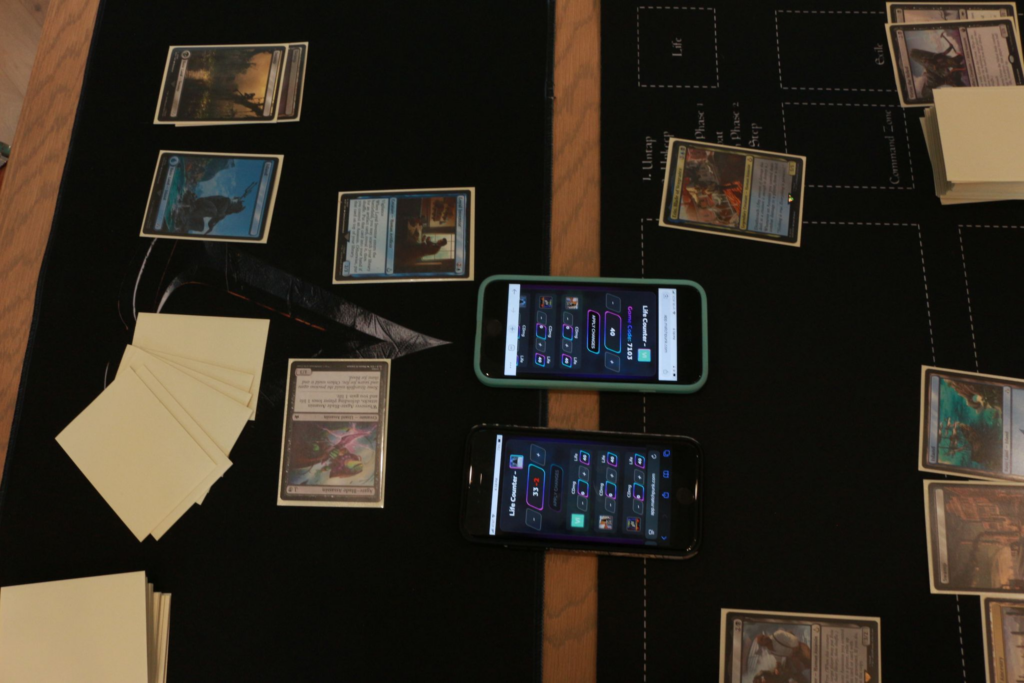
Speaking of MTG Life Counters…
We Are Confident MatchPunk
Is the Best Digital MTG Life Counter App
Sign Up and Try it for free
2) MTG Friendly Local Game Stores Have the Right PEOPLE
Friendly Staff
This is the “F” in FLGS. And its a must. Bad stores ignore newcomers for minutes on end. Good ones greet whoever walks through the business doors. The best local mtg stores will have literally the friendliest people you have every met, inviting you in with a smile (without being too weird). They will not just welcome you, but make you FEEL welcomed and comfortable… like you have always belonged. And at the best local mtg stores, they won’t forget your name. They will make you feel like family.
Helpful Staff
Being friendly is nice, but it is implied that the staff is also competent. Whether you need help understanding a complex rule, building a new deck, or choosing the perfect game, the staff are there to help. They genuinely care about your gaming experience and want to see you have fun. When you are at one of the truly good FLGS, you should NEVER hesitate to ask for help, no matter how big or small your problem is!
Informed Staff
The staff at an FLGS are usually passionate gamers themselves. This means you get access to a wealth of knowledge… perhaps even CENTURIES of collective experience. They have built dozens of decks, encountered every MTG problem there is, and spent thousands of hours thinking and talking about Magic and Commander. Its expert advice that you simply can’t get from an online store or forum.
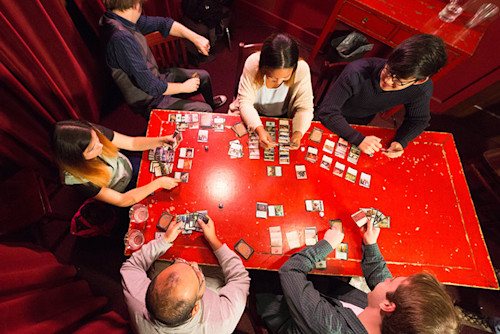
image is not the property of MatchPunk (source)
3) MTG FLGS Have the Right EVENTS
Standard and Commander are tons of fun on their own. But eventually, everyone gets tired of open play “kitchen table” matches. Besides, why drive over to a FLGS to only play against friends? You can play them anywhere!
Great local mtg stores have weekly events. And not just “Friday Night Magic”. Sometimes it’s weeknights, after school, or starting Saturday morning. Ranging from drafts to league play to double points day. Common events you might find include:
- Friday Night Magic (FNM)
- Commander Nights
- Pre-release tournaments for new sets
- Drafts and Sealed deck events
It’s a variety of events for a variety of moods. Everything from tournaments with high payout prizes for winners to a short box tourney. To learn more about why MTG events are so important, follow this link!
MatchPunk Makes Running MTG Events Easier
For Players and Store Owners…
For Both Standard and Commander
4) Great Local MTG Stores Have the Right SPACE
Spacious Room
People don’t want to spend their free time feeling cramped. However large the MTG community may be… the room is always more than big enough to hold everyone expected to be there. That means more than enough tables for everyone’s game mat. Chairs spaced far enough apart for everyone to play without bumping shoulders. Players should feel like they are entering a sanctuary for Commander and MTG, not being shoved into a sardine can.
That said, this isn’t a dealbreaker. Local MTG stores that know this… and care about their players… will go the extra mile and allow players to easily reserve tables ahead of time. Not only that, but they will post on their site or on social media just how many tables are available.
While the actualy space is the most important, this also includes the overall “atmosphere” of the space as well. And the nicer it can be, the better. The A/C should be able to handle a room full of players. The lighting should be warm and, if that’s impossible, at least not too harsh. And if the tables can be a firm, solid material rather than a plastic fold-out? NOW your talking about the best of the best of local mtg stores.
Clean Room, Clean Shelves, and CLEAN BATHROOM
This doesn’t seem important… until it is. Hard to enjoy yourself when you are repulsed and disgusted. And there are a lot of ways a FLGS can get gross. Sticky tables. Dusty shelves. Unvacuumed floors. A lingering stench in the air.
But the REAL differentiator here is the bathroom: “A clean bathroom is HIGHLY underrated–soap, paper towels or hand dryer, stocked toilet paper, and big bonus if there are tampons or pads available. A clean, well-stocked and decorated bathroom brings an LGS to god tier.” SOURCE. Long story short: like any store, its gotta be spotless.
Snacks, Meals, and Drinks
FLGS are places where players spend their time. It becomes a home away from home. But a place cannot truly be home without a “kitchen”. Meals are another reason people gather together. And the best FLGS will either sell food and drinks or allow players to bring it from nearby restaurants. Actual menus are great, but usually something as simple as slices of pizza, hot dogs, and a few drafts on tap is more than enough.
Family Friendly
Wasn’t sure what section to put this in… but I feel like the best local mtg stores have spaces where kids feel comfortable. It’s not too dark, vulgar, or graphic. While store owners cannot control everything their players say, they should reserve areas for more “adult” players so that other spaces in the store can be youth-appropriate. In other words, a parent should feel A-ok knowing their kid is going to a local mtg store.
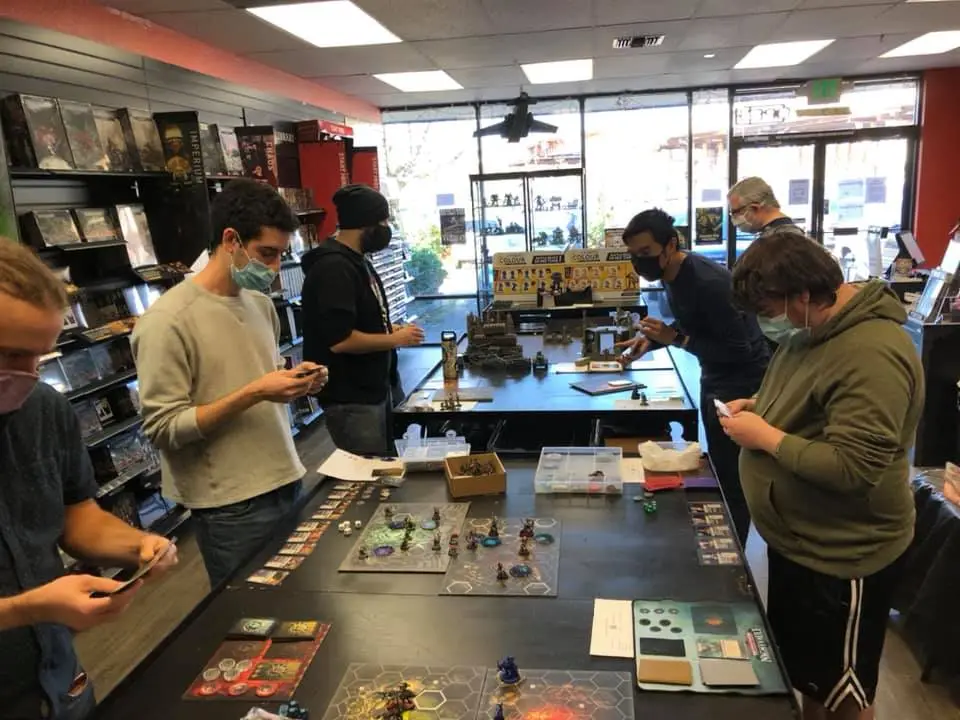
image is not the property of MatchPunk (source)
5) Great Local MTG Stores Build COMMUNITY (conclusion)
They call it the Friendly Local Game Store because it’s a friendly place with friendly people. Somebody who put in a ton of time, effort, and personal financial investment/risk into opening a small business chose the games business because it is something they care about.
Are you looking for a place where you can share your passion for Magic: The Gathering and other card games? Your friendly local game store is the perfect spot. It’s more than just a place to buy cards; it’s a hub where the gaming community comes to life. Here, you can find a true sense of belonging, meet fellow players, and build lasting friendships around a shared love for gaming.
Frequently Asked Questions
Q: “How do I find good local MTG stores?”
A: Finding a friendly local game store is simple with the right resources. The best place to start is often a quick google search “local game store near me” is all you need. But Wizards of the Coast, the company behind Magic: The Gathering, has an official store locator on their website. You can also check the social media pages or Discord servers for local gaming community groups, as they often have lists of recommended stores.
Q: “Are other games offered at local mtg game stores?”
A: Friendly local game stores typically offer a wide variety of games, including popular card games like Magic and Pokémon, board games, tabletop RPGs like Dungeons & Dragons, and miniatures wargames such as Warhammer. Their selection caters to many different interests within the gaming hobby.
Q: “Where can I find reviews and ratings for mtg local game stores in my area?”
A: You can find reviews and ratings for a local game store on platforms like Google Maps and Yelp. Additionally, checking local gaming community groups on social media or Discord is a great way to get honest feedback and recommendations from other players.
About the Author: This post was written by tabletop games marketing and writing agency Riley James Copy.
If your FLGS sells warhammer, dungeons and dragons, miniatures, or other tabletop gaming products, then click the link and talk to him about game store marketing.
Read More…
How to Score Your Local Game Store: The Match Punk FLGS Scorecard
A great local game store earns points in five areas: products, people, events, space, and community. Score each from 0 to 5 on the checklist below for a 25-point total. A store scoring 21 or higher is a genuine Magic: The Gathering hub; 15 to 20 is solid and worth your Fridays; below 15 means it’s worth keeping an eye on a few more shops. Use it the next time you scout a new spot.
The five things above describe what great stores feel like. This turns that feeling into something you can actually measure. Walk into any shop, run the five categories, and you’ll know within 10 minutes whether you’ve found your home table or just a place to grab singles in a pinch.
The Match Punk FLGS Scorecard: score each category 0–5
| Category | A 5/5 store looks like… | A 0/5 store looks like… | Pts |
|---|---|---|---|
| Products | Deep, searchable singles inventory; pricing within ~10% of market; sleeves, playmats, tokens, and life counters in stock. | Thin singles in a shoebox, prices that spike during competitive weekends, nothing but sealed product. | __/5 |
| People | Staff greet you, learn your name, and can help you build a deck or settle a rules question. | You stand at the counter ignored, and nobody can tell you how commander damage works. | __/5 |
| Events | A real weekly calendar posted in advance: Friday Night Magic, Commander nights, prereleases, and drafts. | Maybe an FNM if enough people show up. No schedule, no prereleases. | __/5 |
| Space | Room to spread out a pod, solid tables, working A/C, and, yes, a clean, stocked bathroom. | Cramped folding tables, harsh lighting, a bathroom you’d rather not describe. | __/5 |
| Community | Newcomers get folded into a pod fast; regulars are rewarded; it feels like a place, not a transaction. | Cliques only, no easy way in, and you leave without having met a single person. | __/5 |
| 21–25God-tier. This is your store. | 15–20Solid. Worth your Fridays. | 8–14Fine in a pinch. | 0–7Keep looking. |
YOUR HALF OF THE DEAL
LGS Etiquette: How to Be the Regular Every Store Wants
Great stores are built by great regulars. The fastest way to belong at a local game store: show up consistently, buy your singles and sleeves there instead of only online, keep your pod moving, clean up your table, and welcome new players the way you’d want to be welcomed. Good etiquette is just generosity with a rules text.
Everything above is about what a store owes you. This is the other half: what you owe the store. The shops that hit god-tier got there because their regulars showed up and gave back, and we go deeper on that in our MTG event etiquette guide. A few ways to be one of them:
- Spend where you play. A store can’t keep the lights on if every regular buys singles online and only shows up to use the tables. Buy your sleeves, your prerelease seat, and at least some of your cards in-house. It’s the rent on your seat.
- Keep the pod moving. Commander games stall when one player overthinks every turn. Plan your turn during everyone else’s, call your triggers, and don’t slow-play a four-player pod into the parking-lot hours.
- Track honestly and out loud. Announce life changes and commander damage so the whole pod can follow. Most table arguments are really just two players tracking different numbers.
- Reset your table. Push in your chair, toss your trash, wipe the spilled soda. The next pod shouldn’t inherit your mess.
- Pull up a chair for the new player. Someone standing at the edge holding a precon is your future pod-mate. Invite them in, explain the house rules, and skip the elitism. We were all there once.
Pod etiquette for Commander nights
Commander is a social contract as much as a format. Agree on rules zero before you shuffle up, covering power level, fast mana, and whether infect is on the menu, so nobody’s blindsided three turns in. When the table’s life totals, commander damage, and poison counters are all visible to everyone, those conversations stay friendly instead of turning into a debate about who hit whom for how much.
Got a Commander night this week? Match Punk tracks life totals, commander damage from every source, and poison counters for the whole pod. It’s free, and built so the whole table can read it from across the room.
NEVER BEEN? START HERE
Your First Visit to a Magic Store: What to Bring and What to Expect
Bring a legal deck, sleeves, something to track life totals, and $5 to $15 for entry. Expect a few rounds of paired matches, a welcoming crowd, and prizes paid out in booster packs or store credit. You don’t need to be good. Friday Night Magic is exactly where new players become regulars. Arrive about 15 minutes early to register.
That first walk into a new store is the scariest part of the hobby, and it shouldn’t be. Pack this:
- A deck you know how to play. A Standard 60-card deck or a Commander deck both work, so call ahead to confirm the night’s format.
- Sleeves. Most events expect your cards to be sleeved, and they protect your cards from the table.
- A life counter. Dice roll off tables and notepads get messy. The right digital life counter app keeps your life total, commander damage, and counters in one place all night.
- A little cash. Entry for Friday Night Magic typically runs $5 to $15, with prizes handed out as booster packs or store credit.
To find a shop near you, the official Wizards Store & Event Locator lists every Wizards Play Network store and filters by event type, so you can find one running the format you want. Whether you’re slinging Standard at your first FNM or sitting down to your first four-player pod, a good store will make room for you.
THE 30-SECOND READ
Green Flags vs. Red Flags: A Quick Store Checklist
You can read a store in under a minute. Green flags: a posted event calendar, organized singles, friendly staff, room to play, a clean bathroom. Red flags: price gouging on hot cards, ignored newcomers, cramped tables, and an “it’s in that box somewhere” approach to inventory. Below is the side-by-side.
| What to look for | Green flag | Red flag |
|---|---|---|
| Singles | ✓ Cased or binder-sorted, searchable | ✗ A shoebox of “somewhere in there” |
| Pricing | ✓ Within ~10% of market price | ✗ Spikes during competitive weekends |
| Staff | ✓ Greet you, learn your name | ✗ Ignore newcomers for minutes |
| Events | ✓ Weekly calendar posted online | ✗ “Maybe, if people show up” |
| Space | ✓ Room for a pod, solid tables | ✗ Sardine-can folding tables |
| Bathroom | ✓ Clean and stocked | ✗ The less said, the better |
MORE QUESTIONS, ANSWERED
Local Game Store FAQ
Q: What does FLGS stand for?
FLGS stands for “friendly local game store,” the affectionate name Magic players use for the independent shops that run events and sell singles. You’ll also see LGS (local game store) used interchangeably. The “friendly” is the part the best stores actually earn.
Q: What is the Wizards Play Network (WPN)?
The Wizards Play Network is Wizards of the Coast’s official program for stores authorized to run sanctioned Magic: The Gathering events like Friday Night Magic and prereleases. A WPN store has been vetted to host organized play, and you can find affiliated shops on the official store locator.
Q: How much does it cost to play at a local game store?
Open play and using the tables is usually free, though buying something is good etiquette. Friday Night Magic and other weekly events typically charge $5 to $15 to enter, and prizes are usually paid out as booster packs or store credit. Prereleases cost more, often $30 to $40, because they include sealed product.
Q: Do I have to buy something to play at a game store?
For paid events, your entry fee covers your seat. For casual open play, most stores don’t require a purchase. But if you’re using their tables, their A/C, and their community every week, buying your singles, sleeves, and the occasional snack there is what keeps the doors open. Spend where you play.
Q: Can beginners play Magic at a local game store?
Absolutely. Friday Night Magic is where most regulars started. Call ahead to confirm the format and bring a legal deck, and the staff or other players will help you with pairings and rules. Good stores go out of their way to welcome new players, because today’s beginner is next year’s regular.
Q: How do I find a Commander pod or playgroup at my LGS?
Most stores run a dedicated Commander night. Show up, tell someone it’s your first time, and ask if there’s a pod with an open seat. Commander players are famously welcoming to new faces. The store’s Discord or Facebook group is also the fastest way to find a four-player pod before you even arrive.
Q: What’s the difference between Friday Night Magic and Commander night?
Friday Night Magic is a sanctioned weekly event, usually a 1v1 format like Standard, Modern, or Pioneer played in paired rounds for prizes. Commander night is typically casual multiplayer, with four-player pods, 40 life, commander damage, and no prize pressure. FNM leans competitive while Commander night leans social. Many stores run both.